
From Chosen to Chased Out: When charities protect systems and sacrifice women of colour
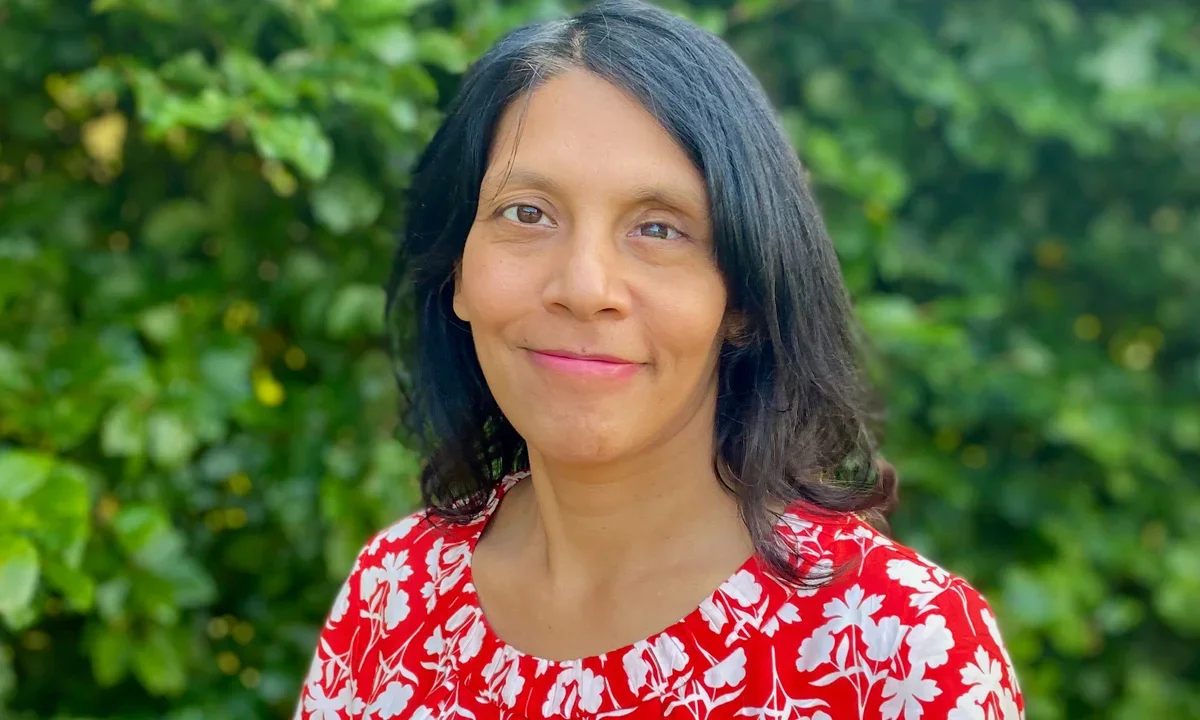
Dr Halima Begum’s resignation as CEO by Oxfam raises more questions than answers, reflecting a wider pattern where women of colour are enthusiastically brought in to fix and steer organisations through difficult periods, only to find themselves discarded and scapegoated.
We’ve heard this story before. A charity with a long track record of racism, sexism, and bullying is suffering the consequences of poor leadership: a toxic workplace culture, high turnovers, consecutive financial deficits, and demoralised staff. They bring in a woman of colour as CEO to take on the poisoned chalice of leading the charity through its recovery, only to oust and abandon them when no longer convenient. A familiar pattern often described as the ‘glass cliff’ for women, should more accurately be understood as a ‘glass abyss’ for women of colour. She has a Board above her ostensibly scrutinising and green-lighting the difficult decisions, and senior leaders below her, implementing them. Then just like that, the rug is pulled out from underneath, and she finds herself ousted from the organisation, and blamed for the very systemic failures she was appointed to tackle.
This weekend, Halima Begum was forced to resign from her role as CEO of Oxfam after an all too brief internal investigation concluded that her leadership was untenable. This investigation allegedly found Halima guilty of ‘bullying’ and ‘creating a climate of fear’ in the organisation, yet the report has not been fully released, and Halima herself was never given the full report, or an opportunity to respond. What has been shared about the investigation seems to cherry-pick aspects of a report, into the wider organisational concerns at Oxfam, raised by employees. Grievances that Halima has reportedly raised about sexism and racism have not been formally investigated or concluded. Despite this, hostile briefings were put out to The Times, and a character assassination and online harassment campaign ensued, targeting Halima for her race, religion, disability, and her very existence as a Brown woman leader in the charity sector. What had been presented as a unanimous decision of the Board to force Halima’s resignation, quickly unravelled, when a trustee issued a damning statement in defence of her leadership and called out his exclusion from the decision making process. He also alleges that this behaviour is in retaliation to Halima’s complaints about the racism and sexism she was facing, from the recently departed Board Chair. Halima has started legal proceedings for constructive dismissal.
Critically, important concerns from staff remain unaddressed, and toxic workplace cultures are allowed to persist. In making bad apples of one leader, the organisation absolves itself from the transformative work it requires, to ensure justice, accountability, and change. And it is this which is emblematic of a wider pattern of women of colour in leadership positions being scapegoated to save white supremacist power structures in toxic institutions, further failing staff in the process.
Questions raised by this case:
Like many other people of colour in the charity sector, we have been closely following and reflecting on these developments, in an attempt to understand this story. The lack of information playing out in the media, leaves us with more questions than answers:
Media involvement, policies, and processes:
Why and how did information believed to have only been held by the Board reach the media so quickly - who made this decision? Why were media briefings sent to publications who have publicly undermined Oxfam’s anti-racism activity, as well as attacked the broader anti-racism and EDI activity in the charity sector?
Have the staff who reported concerns been presented with the investigation’s findings, or did they find out via the media? Is this approach reflective of Oxfam’s values, compliant with duties of care towards staff, as well as the Board’s fiduciary duties?
Why was Halima not provided with the right of reply to the investigation or even a Board discussion, with findings seemingly sent to the national press instead?
Conspicuously absent details:
A trustee alleges that pre-investigation, Halima filed a grievance over racism, sexism, and bullying against the former Board Chair - the grievance process is allegedly still ongoing. Why was the context of this grievance not included in reporting or in statements about this story?
That same trustee also alleges that a group of Oxfam staff wrote to the Board and Halima as CEO, about racism faced by racialised colleagues on 20 November. Why has no action been taken to date on these allegations?
The Board’s, and senior leaders’, responsibilities:
Given the Board’s oversight role and senior leaders’ operational responsibility, how were they involved in the decisions and practices now under scrutiny and why are they not being held to the same level of accountability?
Why have the Board not alerted the Charity Commission, and why did they not terminate Halima’s employment instead of ‘allowing’ her to resign, given the severity of concerns and allegations?
Given allegations involving both Halima and the former Board Chair, and longstanding staff concerns about systemic racism, what concrete steps are being taken in the short- and long-term to root out bullying and racism at all staff levels, and especially at Board level?
The Board has a legal duty of care to all staff, including Halima, yet the approach taken in this case seems to clearly violate that duty and a commitment to doing no harm. Does Oxfam’s duty of care not extend to women of colour in leadership positions?
Potential retaliation:
Why does so much of the reporting focus on the actions that Halima and Oxfam took to call for an end to the genocide in Gaza? To what extent are anti-Palestine views shaping the way that the Board and the media are responding to this story?
Halima’s time as leader has been defined by a commitment to anti-racist and decolonial work at Oxfam. To what extent has this commitment to systemic change at the organisation shaped decisions to oust Halima as leader in this way?
Women of Colour as scapegoats to white supremacy culture
As campaigners and organisers working to root out systemic racism from the charity sector, we felt it was important to take a step back and look at the ways in which this story is emblematic of the wider trends we are seeing in the charity sector.
This is the brutal trajectory from gift to rift, where women of colour leaders, hailed for their ‘resilience’, are systematically broken by the insidious forces of institutional racism and misogyny. These structures orchestrate calculated public humiliation, which weaponises cultural complexities that are deeply-rooted and well-known within an organisation, against the individual. It is not a personal failing, but a calculated, structural function.
Those who dare to reform the system risk personal attacks, scapegoating, and exclusion - while day-to-day racism, misogyny, and ableism remain constant. If even CEOs face this treatment for challenging white supremacy, it sends a stark message to staff across the sector that tackling systemic oppression comes at a steep personal cost. It is crucial to discuss these examples and demand accountability, because the future of the sector as a genuinely inclusive and equitable space depends on it.
We stand in solidarity with every member of staff at Oxfam who has been impacted by this case and by systemic bullying, sexism, and racism within the organisation. We also stand in solidarity with Halima Begum, who is facing targeted attacks on social media about her race, disability, religion, and gender. We call on the Board at Oxfam GB to comply with their legal and governance duties responsibilities. Carefully issue an apology, rethink their handling of this case, and to centre care of both Halima and staff. We further call on the Board to commit to rooting out racism, sexism, ableism, Islamophobic hate, and bullying from the culture at Oxfam, starting with changes to behaviours and practices at Board level.
There is a petition calling on the Charity Commission to investigate Oxfam over Halima’s treatment - you can read and sign here.
#Oxfail!
